

Glass for Generations
We’re a family-run business. Sustainable thinking and reliability have been among our guiding principles for generations. This also applies to the concept of sustainability.
We have chosen to focus on four core areas:
- We develop glass that reduces the energy consumption of buildings
- We produce our glass using ever less energy over time
- We do everything in our power to maintain a clean environment and to protect it
- We continuously optimize our processes to protect the environment and conserve resources
Innovations are the driving force behind our success. We acknowledge that we can only achieve this with motivated employees, who we support in achieving their goals, such as at our Glas Trösch Academy, for example, or within the context of our LIFT career programme.
Our action plan to reduce CO₂ emissions

Green power
Switch to renewable energy sources
and in-house production (PV/turbines)

Float process
New technologies and the
use of electro-boosting

Cullet percentages
Increase of cullet percentages on
all float plants

Vehicle fleet
Conversion of lorries and cars to
alternative drives
Heating systems
Replacement of gas and oil heaters with
low CO2 technologies

Efficiency
Energy-related process optimisation in
the production plants
We focus on sustainable products
We’ve been passionate about glass for over 100 years. Not only is it timeless in its beauty, it is also based on natural resources. Its raw materials, such as quartz sand, soda and dolomite, are naturally occurring resources.
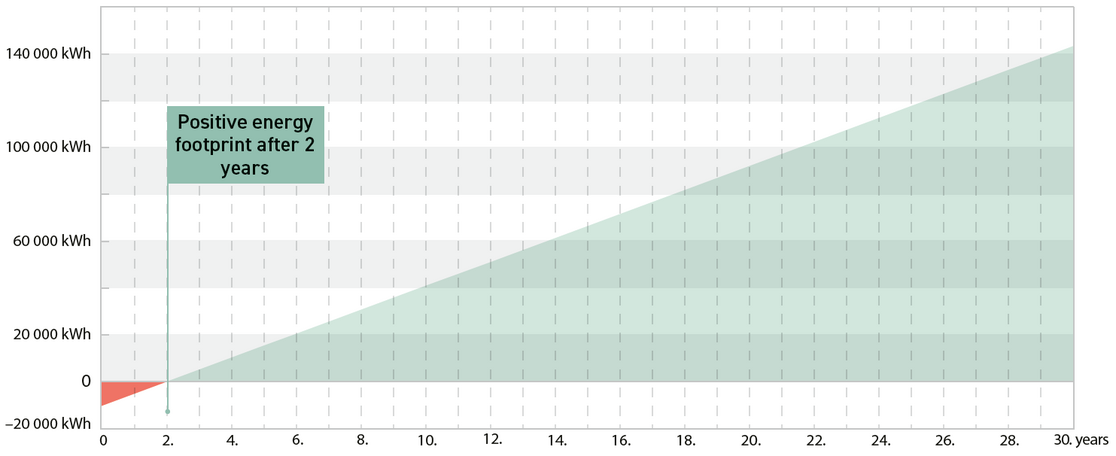
Manufacturing insulating glass requires a lot of energy. However, once installed in a building, its energy-saving potential is so high that it quickly pays for itself. Based on the average lifespan of around 30 years, the energy balance of our window and façade glass is clearly positive.
Our glass not only reduces energy consumption during the colder months of the year. At a time when hot spells are becoming more frequent, another important feature is its ability to provide heat protection in the summer. In this way, our solar protection glass ensures comfort indoors even when outside temperatures are high. It's also able to reduce, sometimes even completely eliminate the need for air conditioning systems.
With our special SILVERSTAR CONTROL glass, it’s even possible to remotely control sun exposure using a blind integrated into the gaps between the panes – thereby regulating energy and managing daylight as needed.
Glas Trösch develops glass solutions that can be used for energy generation. One example is SWISSPANEL SOLAR, which brings colour and customised design options to solar installations. A special process allows images to be printed on the front glass of the modules. The power output of the solar modules remains within the specified technical parameters.
Our insulating glass saves huge amounts of energy – and therefore also reduces carbon emissions.
Based on an average life of around 30 years, the total energy footprint of our window and façade glass is significantly positive.
Saving with 30 m2 triple-glazed insulating glass: Ug value 0.6 W/m2K
Heating oil per year
570l
Heating oil after 30 years
17100l
kWh per year
5100kWh
kWh after 30 years
153000kWh
CO2 per year
1500kg
CO2 after 30 years
45000kg
Our products quickly start saving energy
We produce efficiently
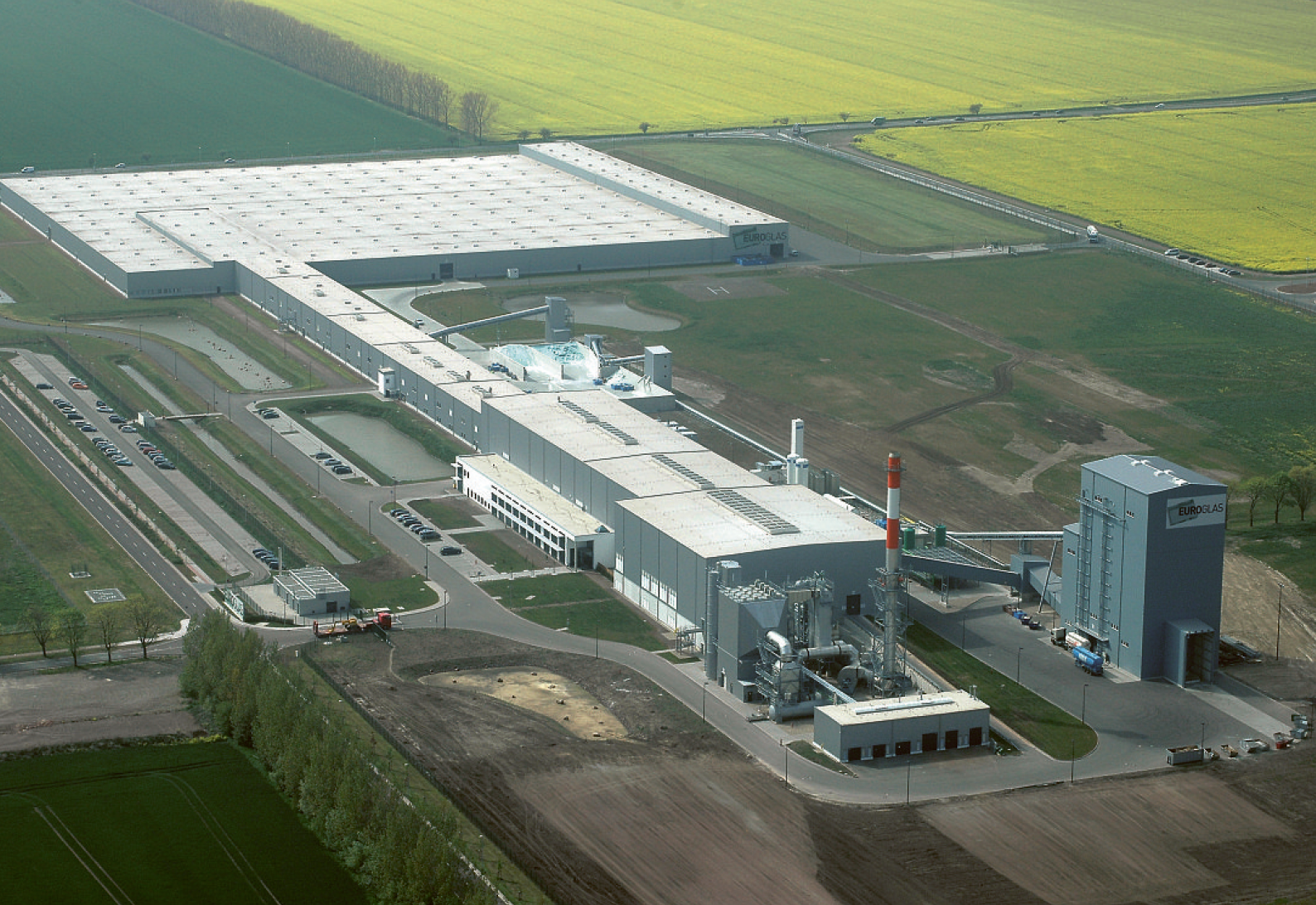
Manufacturing flat glass is an energy-intensive process. That’s why we’ve been working to make it as efficient as possible for decades now. In our float glass plants, we use local raw materials to minimise hauling distances. Thanks to our patented system for reusing glass fragments, we also reduce the need for raw materials.
Around a quarter of the electricity used by our float glass plants is recovered energy
For all other types of energy, we opt for the most environmentally friendly combination possible to minimise our impact on the environment. The in-house design of our melting furnaces also contributes to continuously reducing energy use and resource consumption in our float glass plants.
We are audited and certified by independent institutes
Be it the international standards ISO 14001 (environmental management) or ISO 50001 (energy management), we voluntarily join initiatives by the Swiss Energy Agency and have pledged to continuously improve our CO2 emissions in line with our motto « Glass for Generations ».
Glas Trösch consistently pursues the goal of reducing CO2 emissions for the entire float glass range. Our progress is checked regularly in an objective manner and documented in the Environmental Product Declaration (EPD). It serves building owners and planners as an important basis for assessing the sustainability of buildings.
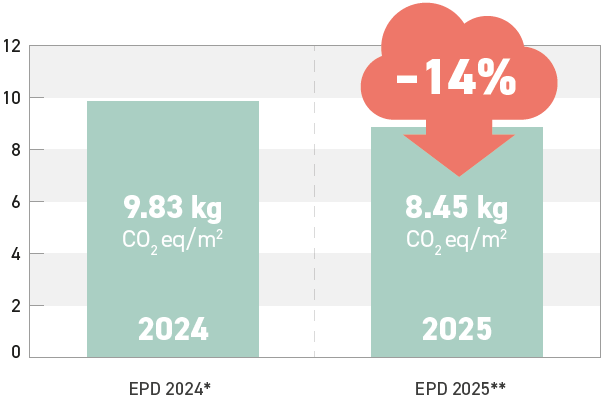
According to the EPD of 2025 amounts to the CO₂ equivalent for our four-millimetre standard EUROFLOAT float glass is merely 8.45 kg CO₂e/m2. The value is therefore almost 14 % lower than in 2024. Of course, this improvement is achieved without compromising on quality, features and design.
The low CO₂ equivalent was made possible by manufacturing processes that have been optimised over many years. In them, all available glass shards are fully put into the standard float glass and renewable energy sources are used. What’s more, we also utilise modern energy recovery processes. Thanks to the expertise of the highly qualified Glas Trösch production team, the efficiency of the specially developed melting furnaces has also been improved.
“It is important to us to achieve low CO2 values not just for individual product lines, but for the entire range.”
Average CO2 emissions with standard float glass
The advantages of our CO₂-reduced float glass
The lower the CO₂ emissions, the better for the environment. By continuously reducing production emissions across our entire product range, we achieve noticeable emission savings on a broad scale. And there are other points that make float glass from Glas Trösch a good choice.
“Our CO₂-reduced float glass makes a significant contribution to reducing CO₂ emissions and is suitable for all building typologies.”
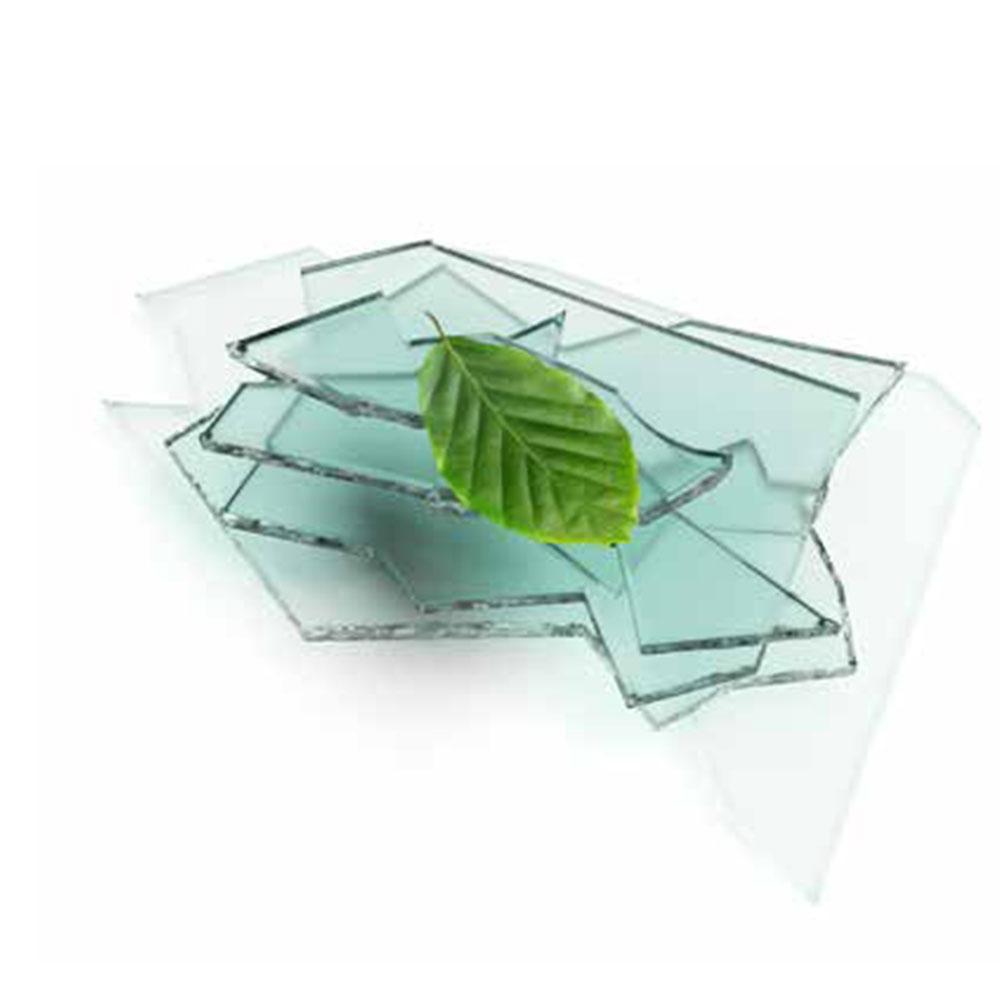
Local shards
We utilise all available glass shards for our standard float glass to the extent technically possible in order to reduce the use of raw materials and process energy as much as possible. We do not need to transport broken glass between locations.
High availability
Our CO2-reduced basic glass is available at any time and in large quantities. We don't have long delivery times.
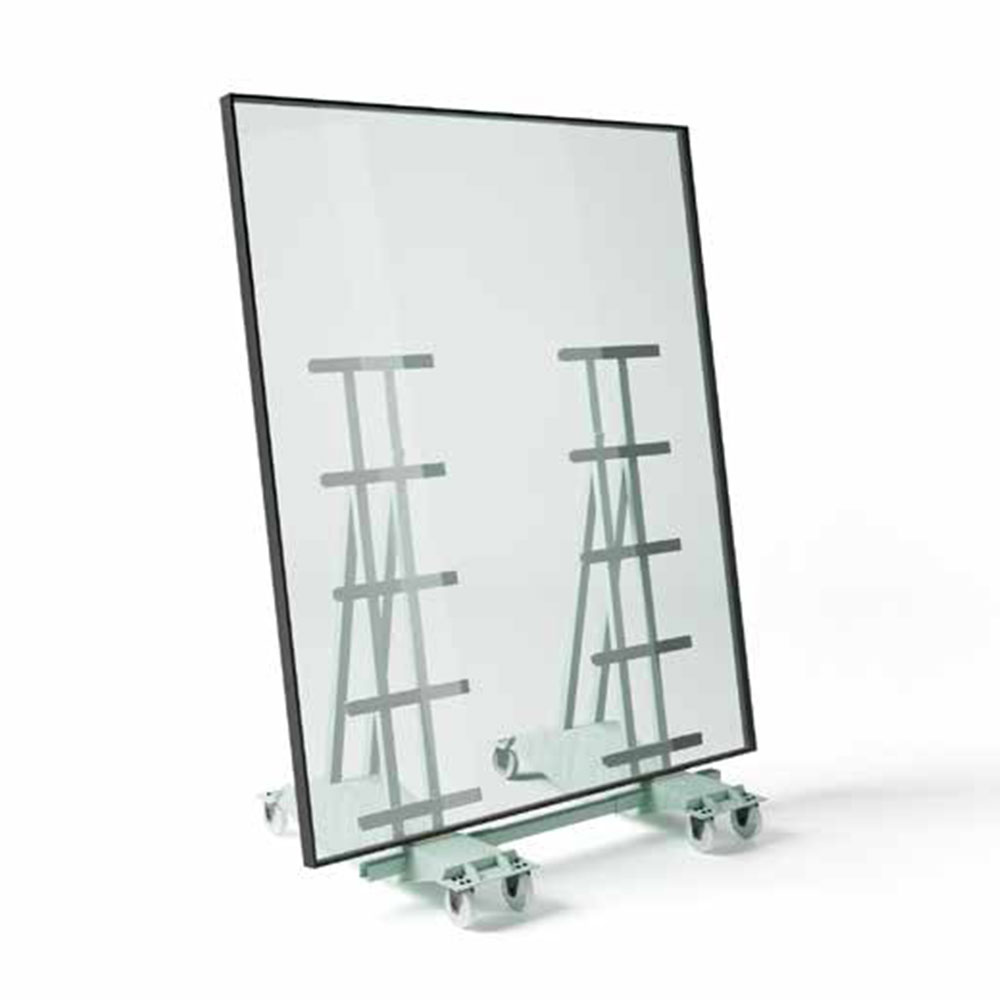
Efficient logistics
Because we produce CO₂-reduced basic glass at all our production sites, our warehousing costs are low. In addition, the transport routes for the glass produced are reduced to what is necessary.
Attractive price
We offer our float glass without price surcharges – because ecological optimisation is already included as standard in all our basic glass types.
We’re your partner for green buildings
Certification systems have been developed worldwide that allow for the sustainability of buildings to be ssessed and compared in order to promote climate-friendly construction.
Minergie, LEED, BREEAM, etc.
Whether it’s Switzerland's Minergie Standard, Germany's Sustainable Building Certificate (Gütesiegel Nachhaltiges Bauen), the US's LEED or the oldest and most well-known of them all - the UK's BREEAM certificate, each system has its own set of criteria with environmental, economic and social considerations, which are weighted differently and relate back to national regulations.
We help architects, planners and building owners achieve the best result for their preferred certification system with our glass solutions.
The individual footprint of construction products plays a major role in all systems. Environmental Product Declarations (EPD), which we provide for our basic glass options, form the basis for calculating ecological sustainability.
Our contribution to environmental protection
Specifically, this means that we do as much as we can to avoid waste in all areas and recycle it wherever we can.
For us, environmental protection also means keeping emissions to the technically achievable minimum. Electric filters allow us to reduce the emissions of particulate matter and sulphur dioxide from our float glass plants, keeping them below the statutory requirements. In addition, we have been purifying production waste gases with the help of DeNOx systems for years.
Last but not least, our product innovations also focus on the environment. Take BIRDPROTECT, for example – we developed this special glass together with the Swiss Ornithological Institute in Sempach to effectively reduce bird collisions. And our SILVERSTAR BIOELECTRIC provides an effective solution for shielding against electromagnetic radiation by specifically attenuating the penetration of high-frequency waves into the building interior.

More on the topic of sustainability

Recycling end-of-life windows: Pilot project successfully completed

We make CO₂-reduced float glass the standard

Example calculation: our highly sustainable glass

Euroglas now using environmentally friendly separating agent

Glas Trösch and SANCO at BAU 2023 – Unveiling of a sustainable trade fair concept

We are a new exhibition partner in the Umwelt Arena

Glas Trösch Rail awarded "silver" by EcoVadis

| SWISSPANEL SOLAR
The customisable printed front glass for solar modules

Partner of the Energy Agency of the Swiss Private Sector (EnAW)

Glass solutions for buildings that meet the Minergie construction standard
